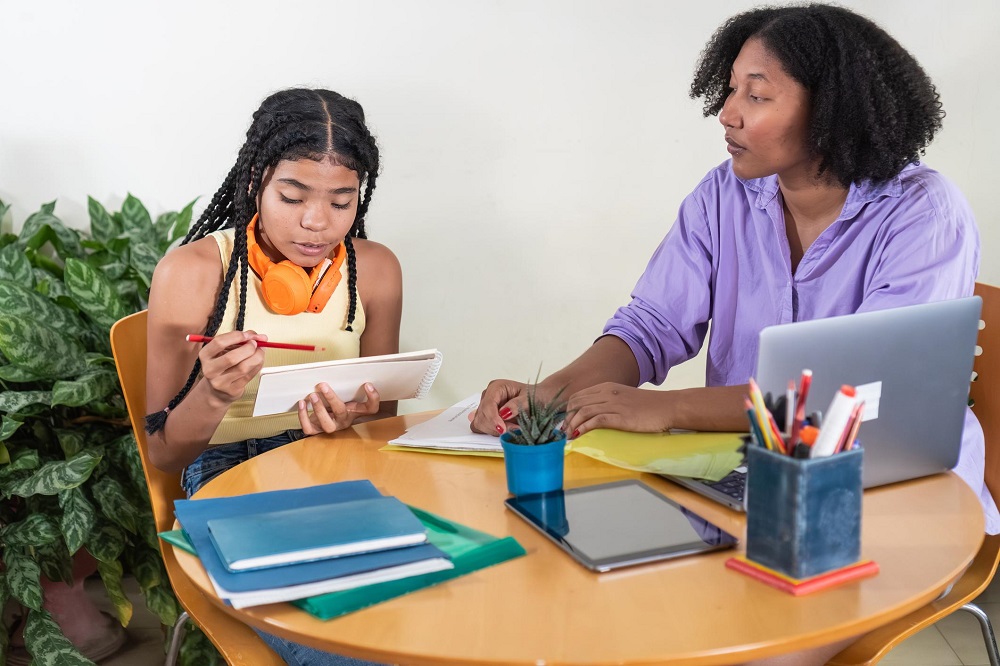

Education is one of the most powerful tools for personal growth, societal development, and economic progress. From early childhood learning to higher education and lifelong skills development, the journey of education equips individuals with knowledge, values, and critical thinking abilities. More than just a classroom experience, education lays the foundation for innovation, equality, and sustainable growth, making it a cornerstone of modern society.
The Importance of Education in Modern Society
Education is not limited to the acquisition of academic knowledge; it extends to the development of emotional intelligence, ethical values, and social awareness. In the UK and across the globe, education plays a vital role in bridging gaps between communities, fostering cultural understanding, and preparing people for the complexities of the modern workforce.
Key Benefits of Education
-
Personal Empowerment: Education enhances confidence, independence, and problem-solving skills.
-
Economic Growth: Nations with higher literacy rates often experience stronger economies due to a skilled workforce.
-
Social Equality: Quality education helps reduce poverty and promotes inclusivity.
-
Health and Well-being: Educated communities tend to have better health outcomes, as they are more aware of preventive care and lifestyle choices.
Early Childhood Education: Building the Foundation
The earliest years of learning are critical for cognitive, emotional, and social development. Children who receive proper early education often show greater academic achievement and improved social adaptability later in life.
Why Early Learning Matters
-
Brain Development: Studies reveal that most brain development occurs before the age of five.
-
Social Skills: Early education promotes teamwork, empathy, and communication.
-
School Readiness: Children entering school with foundational literacy and numeracy skills perform better in the long term.
Primary and Secondary Education: Shaping Character and Knowledge
Primary and secondary education are pivotal in shaping a child’s understanding of the world. These years are not just about textbooks but also about fostering creativity, critical thinking, and resilience.
Skills Gained During School Years
-
Academic Literacy: Reading, writing, and numeracy form the core foundation.
-
Analytical Skills: Science, mathematics, and humanities encourage logical reasoning.
-
Creativity: Arts and physical education balance intellectual and emotional growth.
-
Values and Ethics: Schools nurture integrity, respect, and responsibility.
Higher Education: Pathway to Specialisation
Higher education gives students the opportunity to specialise in chosen fields, preparing them for professional careers and research. Universities and colleges also serve as centres of innovation, encouraging students to explore new ideas and challenge existing systems.
Why Higher Education Matters
-
Career Opportunities: Graduates often have access to better-paying jobs and professional growth.
-
Global Mobility: A university degree can open doors to opportunities abroad.
-
Innovation and Research: Higher education drives advancements in technology, medicine, and sustainable practices.
Vocational and Lifelong Learning
Not all learning takes place in a traditional classroom setting. Vocational training and adult education allow individuals to gain practical skills tailored to specific industries, while lifelong learning ensures adaptability in an ever-changing job market.
Vocational Education Highlights
-
Focused on practical skills and hands-on training.
-
Essential for industries such as healthcare, engineering, and hospitality.
-
Shorter duration compared to traditional academic paths, making it accessible and efficient.
Lifelong Learning
-
Encourages personal growth at all ages.
-
Helps professionals stay relevant in their careers.
-
Promotes adaptability in rapidly changing industries.
The Role of Technology in Education
The digital age has revolutionised how education is delivered. Virtual classrooms, online courses, and AI-driven learning tools have made knowledge accessible to millions across the globe.
Advantages of Technology in Learning
-
Accessibility: Remote learning enables students to access education regardless of location.
-
Personalisation: Adaptive learning platforms cater to individual student needs.
-
Collaboration: Online tools enhance global collaboration and cultural exchange.
Challenges Facing Education Today
Despite its benefits, education systems face several challenges that must be addressed to ensure inclusivity and effectiveness.
Key Challenges
-
Inequality: Socio-economic disparities still prevent equal access to education.
-
Funding Issues: Schools in certain regions struggle with limited resources.
-
Teacher Shortages: A lack of qualified teachers affects the quality of learning.
-
Technology Gaps: Not all students have access to digital tools.
The Future of Education
The future of education will be shaped by innovation, inclusivity, and adaptability. More focus is expected on skills such as problem-solving, creativity, and emotional intelligence, alongside academic excellence.
Emerging Trends
-
Blended Learning: A combination of online and in-person teaching.
-
Focus on Soft Skills: Communication, leadership, and adaptability will become as important as technical skills.
-
Global Classrooms: Cross-border learning initiatives will continue to expand.
Frequently Asked Questions (FAQ)
How does education impact social mobility?
Education is one of the strongest tools for upward mobility. It provides individuals from disadvantaged backgrounds with opportunities to secure better employment and improve their quality of life.
Why is vocational training important in today’s world?
With industries evolving rapidly, vocational training equips learners with practical, job-ready skills that meet market demands, making them more employable.
Can online learning replace traditional classrooms?
While online learning is flexible and accessible, it cannot entirely replace traditional classrooms. The best results often come from blended approaches that combine both.
What role do parents play in education?
Parents are vital in supporting children’s education by fostering a learning-friendly environment at home, encouraging curiosity, and maintaining communication with schools.
How does education support mental health?
Structured learning, supportive teachers, and positive peer interactions create a sense of belonging, which directly benefits students’ mental health.