
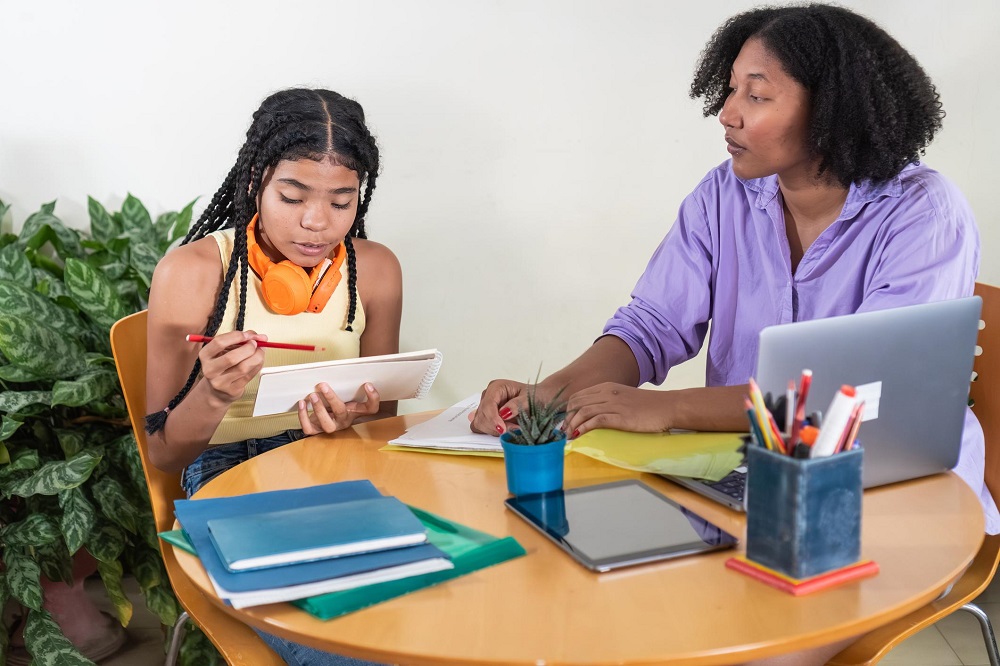
Education is no longer confined to a one-size-fits-all model. Classrooms today are more diverse than ever—students differ in background, pace of understanding, interests, and learning preferences. Personalized learning addresses this diversity by tailoring instruction to meet individual needs, helping learners achieve stronger academic results and greater engagement.
Rather than treating all students the same, this approach focuses on adapting content, pace, and methods to match each learner’s strengths and challenges. When done effectively, it transforms both teaching and learning.
What Is Personalized Learning?
Personalized learning is an educational strategy that customizes learning experiences according to each student’s abilities, interests, and goals. It shifts the focus from standardized instruction to learner-centered design.
Key elements include:
-
Flexible pacing – Students move forward when they demonstrate mastery.
-
Targeted instruction – Lessons are adjusted based on performance data.
-
Student choice – Learners select topics, formats, or projects aligned with their interests.
-
Continuous feedback – Ongoing assessment guides improvement.
This approach does not eliminate structure. Instead, it builds a framework where flexibility supports measurable outcomes.
Why Traditional Models Fall Short
Traditional education systems typically follow a standardized curriculum delivered at a uniform pace. While this method works for some learners, many students struggle because:
-
They may fall behind if instruction moves too quickly.
-
Advanced learners can lose motivation when content feels repetitive.
-
Diverse learning styles are often overlooked.
-
Individual interests rarely shape lesson design.
The result is uneven academic performance and reduced engagement. Personalized learning aims to correct these limitations.
Core Components of Effective Personalized Learning
1. Data-Driven Instruction
Modern classrooms use assessment data to identify strengths and learning gaps. Teachers analyze results to adjust lessons and provide targeted support.
This ensures that instruction is responsive rather than reactive.
2. Adaptive Technology
Educational technology plays a major role in personalization. Adaptive platforms adjust content difficulty in real time based on student responses.
Benefits include:
-
Immediate feedback
-
Customized practice exercises
-
Clear progress tracking
-
Efficient differentiation
However, technology supports teachers—it does not replace them.
3. Flexible Learning Paths
Students may approach the same objective through different methods:
-
Independent research
-
Group collaboration
-
Multimedia presentations
-
Hands-on projects
Offering varied pathways respects individual learning preferences while maintaining consistent standards.
4. Student Agency
When learners have a voice in their education, motivation increases. Personalized learning encourages students to:
-
Set academic goals
-
Reflect on progress
-
Take ownership of outcomes
-
Develop self-regulation skills
This autonomy builds confidence and lifelong learning habits.
Benefits of Personalized Learning
Improved Academic Performance
Research consistently shows that students perform better when instruction matches their readiness level. Mastery-based progression reduces knowledge gaps and strengthens retention.
Higher Engagement
Students are more engaged when lessons reflect their interests and strengths. Engagement leads to improved attendance, participation, and effort.
Stronger Teacher-Student Relationships
Personalized environments require meaningful interaction. Teachers spend more time understanding individual needs, which fosters trust and communication.
Enhanced Critical Thinking
Customized projects and flexible pathways encourage deeper exploration, creativity, and problem-solving.
Challenges and Considerations
Despite its advantages, personalized learning presents challenges:
-
Implementation complexity – Requires planning and training.
-
Technology access gaps – Not all schools have equal resources.
-
Teacher workload – Designing multiple learning paths can be demanding.
-
Assessment alignment – Standardized testing may not reflect personalized progress.
Successful implementation depends on leadership support, professional development, and thoughtful integration of tools.
Strategies for Schools and Educators
Schools aiming to implement personalized learning can begin with practical steps:
-
Start with pilot programs before school-wide rollout.
-
Use formative assessments regularly.
-
Incorporate blended learning models.
-
Provide teacher training in data interpretation.
-
Encourage collaborative planning among staff.
Small, strategic changes often yield meaningful improvements over time.
The Future of Education
Personalized learning aligns with the evolving demands of modern education. As workplaces increasingly value adaptability, collaboration, and independent thinking, students benefit from environments that nurture these qualities.
When instruction meets learners where they are, academic success becomes more attainable. More importantly, students develop confidence in their ability to grow.
Education thrives when it recognizes individuality. Personalized learning represents a shift toward a more responsive and effective system—one designed to unlock every student’s potential.
Frequently Asked Questions (FAQs)
1. How is personalized learning different from differentiated instruction?
Differentiated instruction adjusts teaching methods within a shared lesson, while personalized learning redesigns the entire learning pathway around individual goals, pace, and interests.
2. Does personalized learning eliminate standardized curriculum requirements?
No. Schools still follow academic standards, but students may reach those standards through customized paths and flexible pacing.
3. Can personalized learning work without technology?
Yes. While technology enhances personalization, teachers can tailor instruction through flexible grouping, project-based learning, and continuous assessment.
4. Is personalized learning suitable for all age groups?
Yes. From elementary classrooms to higher education, personalization can be adapted to developmental levels and academic expectations.
5. How do teachers manage multiple learning paths effectively?
Through structured planning, data analysis, and strategic use of tools, teachers can organize diverse pathways without losing clarity or control.
6. Does personalized learning improve long-term retention?
Yes. Mastery-based progression and targeted feedback strengthen understanding and memory retention over time.
7. What skills do students develop through personalized learning?
Students build self-management, goal-setting, critical thinking, collaboration, and adaptability—skills essential for academic and professional success.