
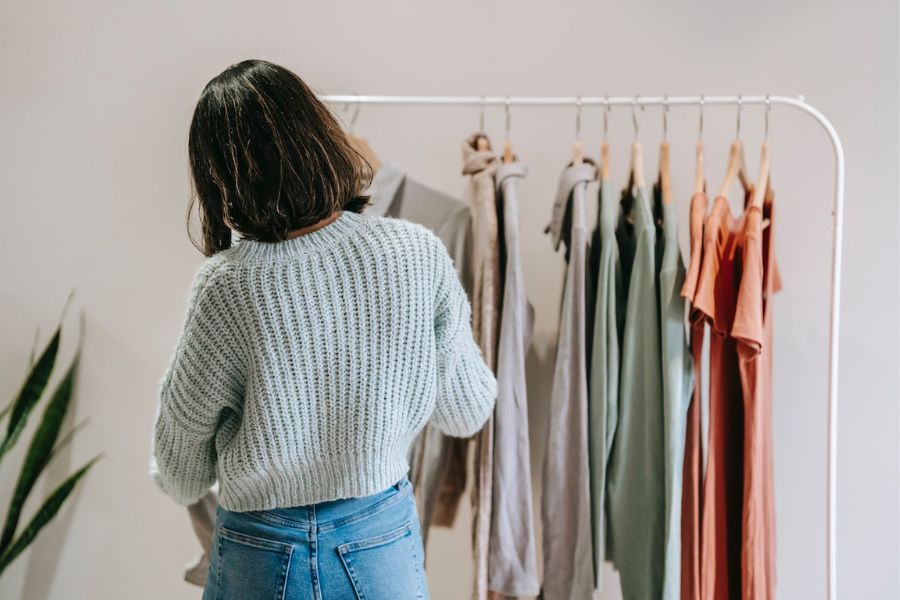
Sustainable fashion is no longer a niche movement—it’s a practical, stylish way to rethink how we build our wardrobes. Choosing environmentally responsible clothing doesn’t mean giving up personal expression or following dull trends. In fact, it often leads to more thoughtful, refined style choices.
This guide explores how to shop responsibly while maintaining a look that feels modern, polished, and uniquely yours.
Why Sustainable Shopping Matters
The fashion industry is one of the world’s largest polluters. Fast production cycles, synthetic fabrics, and disposable trends contribute to waste and environmental strain. Shopping sustainably reduces your environmental footprint while supporting ethical labor practices.
More importantly, it encourages intentional style. Instead of chasing short-lived trends, you invest in pieces that last, both in quality and design.
Build a Capsule Wardrobe
A capsule wardrobe focuses on versatile essentials that can be mixed and matched effortlessly. Rather than owning dozens of single-use outfits, you curate fewer, better pieces.
Key Elements of a Capsule Wardrobe
-
Neutral basics: white shirts, tailored trousers, dark denim
-
Layering staples: blazers, cardigans, structured jackets
-
Quality footwear: classic sneakers, loafers, ankle boots
-
Timeless accessories: leather belts, minimalist bags, understated jewelry
When selecting items, prioritize durable fabrics like organic cotton, linen, wool, or recycled materials. These fabrics tend to last longer and age gracefully.
Choose Quality Over Quantity
Fast fashion often feels affordable, but frequent replacements add up financially and environmentally. A better strategy is to purchase fewer items made with high-quality materials and solid craftsmanship.
Look for:
-
Reinforced seams and strong stitching
-
Natural or recycled fibers
-
Transparent brand practices
-
Care instructions that extend garment life
Well-made clothing not only lasts longer but also maintains its shape and structure—key factors in achieving a refined look.
Embrace Secondhand and Vintage
Thrift stores, consignment boutiques, and online resale platforms offer unique pieces that elevate your wardrobe. Shopping secondhand keeps garments in circulation and reduces demand for new production.
Benefits include:
-
Discovering one-of-a-kind statement pieces
-
Accessing premium brands at lower prices
-
Reducing textile waste
Vintage finds often feature superior construction compared to modern fast-fashion alternatives, making them both stylish and sustainable.
Understand Fabrics and Labels
Knowing what your clothing is made from makes a significant difference.
Sustainable Fabric Options
-
Organic cotton – grown without harmful pesticides
-
Linen – biodegradable and durable
-
Tencel™ (Lyocell) – produced in a closed-loop process
-
Recycled polyester – reduces plastic waste
Pay attention to certifications and brand transparency. Clear sourcing information often signals a commitment to ethical standards.
Support Ethical and Transparent Brands
Research brands before purchasing. Many companies now publish sustainability reports and outline their supply chains.
When evaluating a brand, consider:
-
Fair wages and safe working conditions
-
Environmental impact initiatives
-
Use of renewable energy
-
Commitment to reducing waste
Supporting responsible companies encourages industry-wide change.
Care for Your Clothes Properly
Sustainable shopping doesn’t end at checkout. Proper care extends the life of garments and preserves their appearance.
Practical Care Tips
-
Wash in cold water to reduce energy use
-
Air dry instead of machine drying
-
Store clothing neatly to prevent damage
-
Repair minor tears instead of discarding items
Taking care of your wardrobe protects both your investment and the planet.
Avoid Trend-Driven Impulse Buys
Trends come and go quickly. Before purchasing, ask yourself:
-
Will I wear this in a year?
-
Can I style it multiple ways?
-
Does it reflect my personal aesthetic?
Building a cohesive wardrobe around timeless silhouettes allows you to experiment with accessories or layering without overconsumption.
Make Style Personal, Not Disposable
Sustainable fashion thrives on individuality. Rather than copying influencer trends, define what works for your body type, lifestyle, and preferences.
Personal style built on quality and intention feels more authentic—and it naturally reduces waste because you’re buying pieces you genuinely love and wear frequently.
Frequently Asked Questions
1. Is sustainable clothing always more expensive?
Not necessarily. While some ethical brands charge higher prices due to quality materials and fair labor practices, secondhand shopping and cost-per-wear calculations often make sustainable fashion more economical over time.
2. How can I transition to sustainable shopping on a budget?
Start gradually. Replace items only when needed, explore thrift stores, and focus on versatile basics first.
3. What is “cost per wear,” and why does it matter?
Cost per wear measures how much an item costs each time you wear it. A durable $120 jacket worn 120 times costs $1 per wear—often cheaper than repeatedly replacing low-quality alternatives.
4. Are synthetic fabrics always unsustainable?
Not always. Virgin synthetic fibers contribute to pollution, but recycled synthetics can help reduce plastic waste. The key is responsible sourcing and long-term durability.
5. How do I know if a brand is truly ethical?
Look for transparency in sourcing, third-party certifications, clear sustainability goals, and publicly available impact reports.
6. Can sustainable fashion still follow trends?
Yes. You can incorporate trends through accessories or secondhand finds rather than buying entirely new fast-fashion outfits each season.
7. What is the biggest mistake people make when trying to shop sustainably?
Trying to replace their entire wardrobe at once. Sustainable fashion is about gradual improvement, mindful purchasing, and maximizing the use of what you already own.