
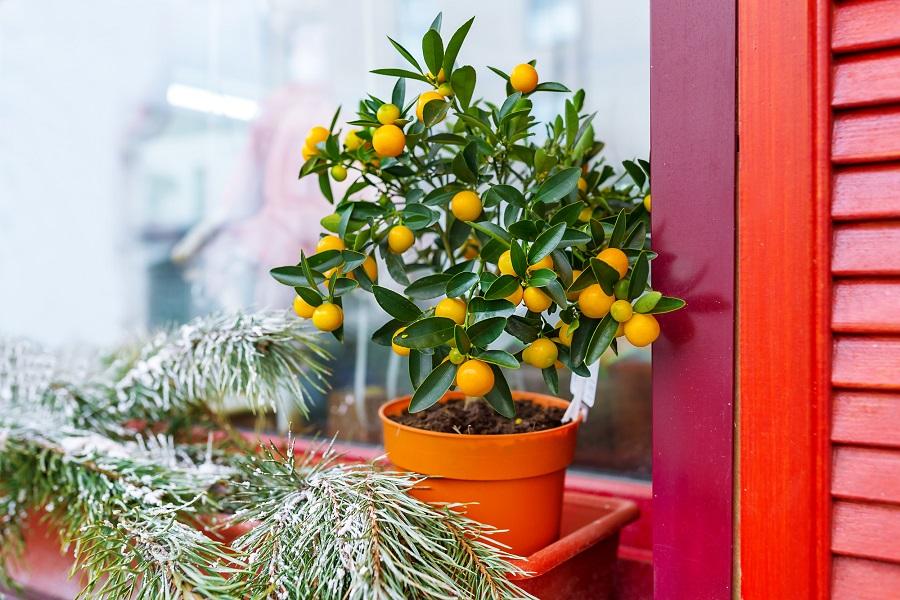
Growing citrus trees indoors during the British winter offers a practical way to enjoy fresh, homegrown fruit while adding vibrant greenery to your home. Citrus trees, with their glossy leaves and fragrant blossoms, thrive in warm, sunny climates but can adapt to indoor conditions with proper care. For UK gardeners, selecting the right varieties and providing optimal conditions are key to success. A nursery specialist from Fruit-Trees advises, “Choosing compact citrus varieties suited for pots is essential for indoor growing. Regular care, including adequate light and humidity, ensures healthy growth and fruiting.” This article explores seven citrus varieties ideal for indoor cultivation during winter, offering practical guidance for British gardeners.
Why Grow Citrus Indoors?
Citrus trees are native to subtropical regions, where they bask in warmth and sunlight. In the UK, where winters are cold and daylight is limited, bringing these trees indoors protects them from frost while allowing year-round cultivation. Indoor citrus trees provide fresh fruit, enhance home aesthetics with their lush foliage, and release a refreshing fragrance from their blossoms. For those looking to buy fruit trees, citrus varieties offer a rewarding option for indoor gardening, especially during the colder months when outdoor gardening slows.
The benefits extend beyond aesthetics. Growing citrus indoors can improve mental well-being, offering a sense of accomplishment during the grey winter months. The act of tending to a living plant, coupled with the prospect of harvesting your own lemons or oranges, brings a touch of the tropics to British homes. However, success depends on choosing varieties suited to indoor conditions and understanding their specific needs.
Selecting the Right Citrus Varieties
Not all citrus trees are suitable for indoor growing. Standard varieties often grow too large, requiring space and conditions difficult to replicate indoors. Dwarf or compact varieties, specifically bred for container cultivation, are ideal for British homes. These trees remain manageable in size, typically under 6 feet, and can produce fruit with proper care. When you buy fruit trees for indoor use, prioritise grafted dwarf varieties from reputable nurseries, as they fruit earlier and are more resilient than seed-grown plants.
The following seven citrus varieties are well-suited for indoor winter cultivation in the UK, each offering unique characteristics and care requirements.
1. Dwarf Meyer Lemon
The Dwarf Meyer Lemon (Citrus × meyeri) is a top choice for indoor growers due to its compact size and reliable fruiting. This hybrid between a lemon and a mandarin grows to about 4–6 feet in pots, making it ideal for small spaces. Its fruit is sweeter and less acidic than standard lemons, perfect for culinary uses like desserts or beverages. The tree’s glossy leaves and fragrant white blossoms add ornamental appeal.
Meyer lemons need 8 to 12 hours of strong sunshine every day, preferably from a window that faces south. If there isn’t enough natural light, add full-spectrum LED grow lights 6–12 inches above the canopy. Keep daytime temperatures between 18 and 24°C, and nighttime temps a little lower. Water with a citrus-specific potting mix that drains well when the top 1-2 inches of soil feel dry. Leaf drop is prevented by high humidity (between 50 and 60 percent), so think about using a humidifier or a pebble tray filled with water. Healthy development is supported by routine fertilisation every 6–8 weeks using a citrus-specific, balanced fertiliser.
2. Calamondin Orange
The Calamondin Orange (Citrus × microcarpa) is a compact, Southeast Asian native perfect for indoor cultivation. Growing to 4–6 feet, it produces small, tangy oranges that are ideal for marmalades, garnishes, or juicing. Its petite size and prolific fruiting make it a favourite for UK gardeners seeking to buy fruit trees for indoor spaces.
Calamondins thrive in 8–10 hours of direct sunlight, so place them near a south- or west-facing window. If daylight is insufficient, grow lights can maintain consistent illumination. Keep temperatures between 18–24°C and humidity at 50–60%. Water thoroughly when the soil is dry to the touch, ensuring the pot has drainage holes to prevent root rot. Calamondins are self-fertile, but hand-pollination with a soft brush can boost fruit production indoors. Regular pest inspections are crucial, as scale and spider mites can target indoor citrus.
3. Key Lime
Key Lime (Citrus aurantiifolia) is a compact variety known for its small, zesty fruit, which is sweeter than standard limes. Growing to about 4–5 feet in pots, it’s well-suited for indoor environments. The fruit, often used in desserts like key lime pie, begins forming when the tree is around 3 years old, provided it receives proper care.
Key limes need 8–12 hours of bright light and consistent temperatures of 18–24°C. They are particularly sensitive to dry air, so maintain humidity levels around 50–60% with a humidifier or daily misting. Use a well-draining, slightly acidic potting mix, and water when the top inch of soil is dry. Fertilise every 6–8 weeks with a citrus-specific product, reducing frequency slightly in winter. Pruning in early spring helps maintain shape and encourages airflow, reducing the risk of fungal issues.
4. Dwarf Kumquat
Dwarf Kumquats (Fortunella spp.) are among the easiest citrus trees to grow indoors due to their cold-hardiness and small size, typically under 3 feet. Their tiny, tart fruits are edible whole, with a sweet rind and tangy flesh, making them ideal for snacking or preserves. Kumquats are also highly decorative, with fruits resembling miniature ornaments.
These trees require at least 8 hours of direct sunlight daily, supplemented by grow lights if needed. They tolerate slightly cooler temperatures, around 15–21°C, making them adaptable to UK homes. Water when the soil feels dry to about 2 inches deep, and use a potting mix with good drainage. Kumquats benefit from regular fertilisation and hand-pollination to ensure fruiting. Their compact nature makes them a practical choice for those looking to buy fruit trees for limited spaces.
5. Tangerine (Dwarf Clementine)
Dwarf Clementine Tangerines (Citrus reticulata) are prized for their sweet, seedless fruit and compact growth, reaching 4–5 feet in pots. These self-fertile trees are ideal for indoor growing, producing juicy tangerines that are easy to peel and enjoy. Their manageable size and reliable fruiting make them a popular choice for UK gardeners.
Place Clementines near a south-facing window for 8–12 hours of sunlight, or use grow lights during winter’s shorter days. Maintain temperatures of 18–24°C and humidity around 50%. Water when the top inch of soil is dry, ensuring proper drainage. Fertilise every 6–8 weeks with a balanced citrus fertiliser. Moving the tree outdoors in summer can enhance fruiting, but bring it indoors before temperatures drop below 10°C.
6. Variegated Eureka Lemon
The Variegated Eureka Lemon (Citrus limon ‘Eureka Variegated’) stands out for its striking white-edged foliage, adding visual interest even when not fruiting. Growing to 4–6 feet, it produces fragrant flowers and tart lemons suitable for cooking or beverages. Its ornamental appeal makes it a favourite for indoor growers.
This variety requires bright light for 8–12 hours daily and temperatures of 18–24°C. Use a well-draining, acidic potting mix and water when the soil is dry to the touch. Humidity levels of 50–60% are essential to prevent leaf curl. Fertilise every 6–8 weeks, and prune in early spring to maintain shape. The variegated foliage is sensitive to nutrient deficiencies, so monitor for yellowing leaves and adjust fertilisation if needed.
7. Kaffir Lime
The Kaffir Lime (Citrus hystrix) is valued for its aromatic leaves, widely used in Southeast Asian cuisine, and its unique, bumpy fruit. Growing to 4–5 feet in pots, it’s an excellent choice for indoor cultivation. While the fruit is less commonly used, the leaves add distinctive flavour to dishes.
Kaffir limes need 8–12 hours of bright light and temperatures of 18–24°C. They thrive in high humidity, so use a humidifier or mist the leaves regularly. Water when the top 1–2 inches of soil are dry, using a well-draining mix. Fertilise every 6–8 weeks, and inspect for pests like aphids or spider mites, treating with insecticidal soap if necessary. Hand-pollination can improve fruit production indoors.
General Care Tips for Indoor Citrus
Successfully growing citrus indoors during winter requires attention to several key factors. Light is the most critical, with all varieties needing 8–12 hours of bright, direct sunlight daily. South-facing windows are ideal, but grow lights can compensate for limited natural light. Rotate trees every few weeks to ensure even exposure.
Temperature stability is crucial. Keep indoor temperatures between 18–24°C during the day, with a slight drop at night to mimic natural conditions. Avoid placing trees near draughty windows or heating vents, which can cause stress. Humidity is another challenge in UK homes, where winter heating dries the air. Maintain 50–60% humidity using humidifiers, pebble trays, or daily misting with distilled water to prevent mineral buildup.
Watering should be consistent but cautious. Check soil moisture with a finger or moisture meter, watering thoroughly when the top 1–2 inches are dry. Ensure pots have drainage holes to prevent root rot. Use a well-draining, slightly acidic potting mix, ideally formulated for citrus or blended with perlite and compost. Fertilise every 6–8 weeks with a citrus-specific product, reducing frequency slightly in winter when growth slows.
Pest management is essential, as indoor citrus can attract spider mites, aphids, and scale. Inspect leaves regularly, especially undersides, and treat infestations with insecticidal soap or neem oil. Pruning in early spring maintains shape and encourages airflow, reducing disease risk. For fruit production, hand-pollination with a soft brush or cotton swab is often necessary, as indoor environments lack natural pollinators.
Overcoming Common Challenges
Indoor citrus trees face challenges like low light, dry air, and pests. Low light can cause leaf drop or weak growth, so supplement with grow lights if natural sunlight is insufficient. Dry air from heating systems can lead to leaf curl or blossom drop, making humidity control critical. Regular pest inspections and prompt treatment prevent infestations from escalating.
Nutrient deficiencies, indicated by yellowing leaves, can occur in potted trees. Use a balanced citrus fertiliser and monitor soil pH, aiming for 6.0–7.0. Overwatering is a common mistake, leading to root rot. Always check soil moisture before watering, and ensure pots drain well. For those looking to buy fruit trees, selecting healthy, grafted plants from trusted sources ensures better outcomes.
Transitioning Citrus Indoors
For gardeners who move citrus trees outdoors in summer, transitioning them indoors for winter requires care. Start two weeks before the first frost by moving the tree to partial shade, then full shade, to acclimate it to lower light levels. Before bringing it indoors, spray the foliage with a hose to remove pests, and treat with insecticidal soap. Place the tree in a bright location, ideally with southern or western exposure, and monitor for stress during the adjustment period.
Conclusion
Growing citrus trees indoors during the British winter is a rewarding endeavour, offering fresh fruit and vibrant greenery. The seven varieties discussed—Dwarf Meyer Lemon, Calamondin Orange, Key Lime, Dwarf Kumquat, Tangerine (Dwarf Clementine), Variegated Eureka Lemon, and Kaffir Lime—are well-suited for indoor cultivation due to their compact size and adaptability. By providing adequate light, stable temperatures, high humidity, and proper care, UK gardeners can enjoy a thriving indoor citrus garden. For those looking to buy fruit trees, these varieties offer a practical and productive option for winter gardening, bringing a taste of the tropics to your home.