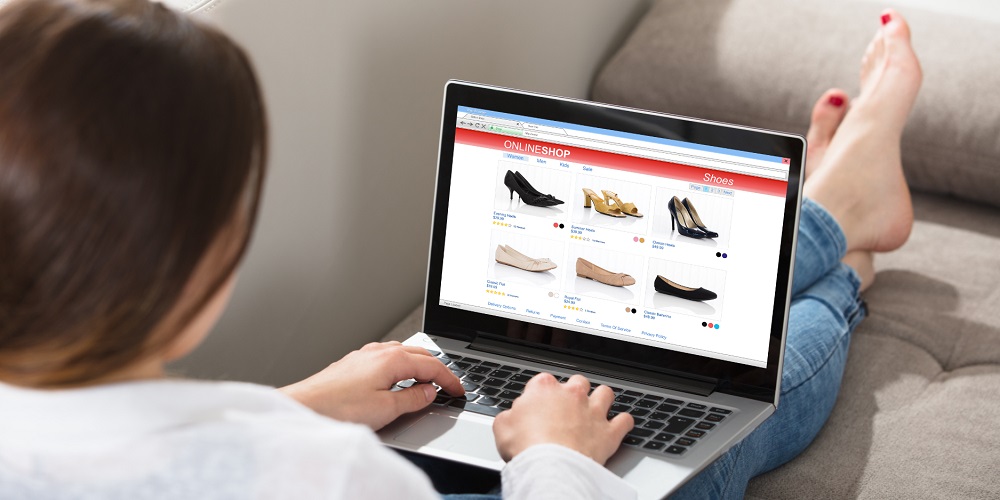

Shopping is more than just a way to acquire goods. It is an experience, a cultural practice, and for many, a leisure activity. From traditional high-street stores to modern online marketplaces, the shopping landscape has transformed significantly over the last few decades. With evolving consumer expectations and technology-driven convenience, understanding how to shop smartly is now essential.
The Evolution of Shopping
From Local Markets to Global Access
Historically, shopping meant visiting local markets, small boutiques, or department stores. Today, the world is your marketplace. With e-commerce platforms and global delivery networks, shoppers have access to international brands and unique products that were once out of reach. This shift has redefined consumer behaviour and expectations.
The Role of Technology
Mobile apps, digital wallets, and artificial intelligence-driven recommendations have streamlined the shopping process. Personalised shopping experiences are no longer exclusive luxuries but are becoming mainstream features that influence buying decisions.
The Psychology of Shopping
Why We Shop
Shopping fulfils both practical and emotional needs. While essentials such as food and clothing drive necessity shopping, luxury items and trends often reflect status, personal identity, or the pursuit of happiness. Recognising this balance helps individuals make more conscious choices.
Emotional Triggers
Retailers often use strategies to appeal to emotions:
-
Scarcity marketing: “Only 2 left in stock” pushes urgency.
-
Seasonal promotions: Holiday sales encourage impulse buying.
-
Visual merchandising: Store layouts and product placements guide purchase decisions.
Smart Shopping Strategies
Creating a Shopping Plan
Impulse purchases can quickly drain budgets. Establishing a plan with clear priorities helps avoid unnecessary spending. Ask yourself:
-
Do I really need this product?
-
Can I get it at a better price elsewhere?
-
Will I use it long-term?
Comparing Options
Price comparison websites and apps provide insights into the best deals. This not only saves money but also ensures you get value for your purchase.
Making Use of Discounts and Loyalty Programmes
Loyalty points, cashback offers, and promotional vouchers are excellent ways to stretch your budget further. Savvy shoppers keep track of these schemes and use them strategically.
Online Shopping vs In-store Shopping
Benefits of Online Shopping
-
Convenience: Shop anytime, anywhere.
-
Variety: Access to a broader range of products.
-
Reviews: Customer feedback helps evaluate product quality.
Advantages of In-store Shopping
-
Immediate access: No waiting for delivery.
-
Product inspection: Feel, test, and try items before buying.
-
Customer service: Personal assistance enhances the experience.
Blended Shopping
Click-and-collect services and hybrid shopping experiences combine the best of both worlds, giving consumers flexibility and control.
Sustainable Shopping Practices
Ethical Choices
Consumers are increasingly aware of the environmental and social impacts of their purchases. Opting for eco-friendly packaging, supporting fair-trade brands, and buying locally produced goods contribute to responsible consumption.
The Rise of Second-hand and Circular Economy
Thrift stores, preloved marketplaces, and rental services are gaining popularity. These options allow shoppers to enjoy variety while reducing waste and overproduction.
The Future of Shopping
Artificial Intelligence and Virtual Reality
AI is personalising shopping journeys with tailored recommendations. Meanwhile, virtual reality is allowing customers to try products in immersive environments before making a decision.
Subscription Models
From food to fashion, subscription services are changing how people shop. These models deliver convenience and consistency, although they require mindful management to avoid overspending.
Cashless Transactions
With the growing use of digital wallets and contactless payments, cash is steadily losing ground. This transition is reshaping consumer habits and store operations alike.
Everyday Tips for Smarter Shopping
-
Set a monthly budget and stick to it.
-
Avoid impulse buys by waiting 24 hours before purchasing non-essential items.
-
Track expenses with budgeting apps.
-
Buy quality over quantity to ensure longevity and reduce replacements.
-
Shop during off-peak hours to avoid crowds and enjoy a more relaxed experience.
Frequently Asked Questions (FAQ)
How can I avoid overspending while shopping?
Setting a budget and creating a shopping list are essential. Using budgeting apps and waiting a day before purchasing non-essentials helps prevent impulse buys.
Is online shopping always cheaper than in-store?
Not necessarily. While online platforms often run flash sales, physical stores may offer exclusive discounts, clearance sales, or bundle offers. Comparing prices across both channels is the best approach.
What should I look for when shopping sustainably?
Check for eco-friendly certifications, ethical sourcing practices, and durable materials. Supporting brands that prioritise transparency and social responsibility ensures your money contributes positively.
Are loyalty programmes really worth it?
Yes, if used strategically. Points, cashback, and exclusive offers can add up to significant savings, especially for regular purchases like groceries or household items.
How can technology help me shop smarter?
Price comparison apps, cashback platforms, and AI-powered recommendations streamline decision-making. Virtual try-on features also minimise the risk of buying unsuitable products.