
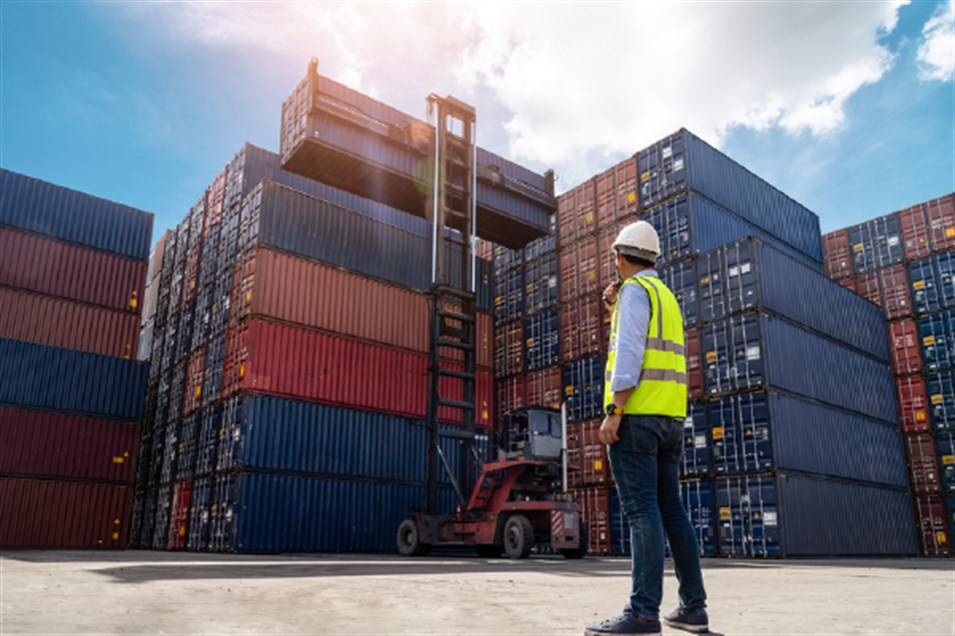
Logistics is the lifeblood of the global economy, ensuring that products, raw materials, and information flow seamlessly from one place to another. The term does not only apply to the physical transportation of goods but also to the systems, strategies, and technologies that keep supply chains efficient. From local delivery services to international shipping routes, logistics underpins nearly every aspect of business and consumer life.
In today’s fast-moving markets, efficient logistics is a decisive factor for competitiveness, as businesses seek to optimise costs, meet customer expectations, and adapt to technological change.
What is Logistics?
At its core, logistics refers to the planning, implementation, and coordination of the movement of goods, services, and information from origin to consumption. It involves:
-
Transportation: Road, rail, air, and sea networks.
-
Warehousing: Storage, inventory management, and distribution centres.
-
Supply Chain Coordination: Connecting suppliers, manufacturers, retailers, and customers.
-
Information Flow: Tracking, data management, and communication.
This discipline is not just about moving items; it is about making the right products available at the right place and time, at the lowest possible cost.
The Importance of Logistics in Modern Business
For businesses, logistics is more than an operational necessity. It has evolved into a strategic tool that directly affects profitability, sustainability, and customer satisfaction.
Enhancing Customer Experience
Consumers now expect fast and reliable delivery. Same-day and next-day services are becoming the norm. Businesses that manage logistics effectively can ensure accurate order fulfilment, reduced delivery times, and consistent product availability.
Driving Cost Efficiency
Efficient logistics lowers transportation, warehousing, and administrative costs. By optimising routes, consolidating shipments, and applying automation, companies reduce waste and improve margins.
Supporting Globalisation
Global supply chains rely heavily on sophisticated logistics systems. The ability to source raw materials from one continent, manufacture in another, and distribute worldwide is only possible through robust logistics management.
Enabling Sustainability
As businesses commit to greener practices, logistics plays a critical role. From electric vehicles to carbon-neutral shipping options, sustainable logistics strategies are reshaping the industry.
Key Components of Logistics
To understand logistics in detail, it is helpful to break it down into its essential components:
Transportation Management
The backbone of logistics, transportation involves selecting the right mode (air, sea, road, or rail), scheduling, and ensuring safe, timely delivery. Efficient transportation management minimises costs and maximises customer satisfaction.
Warehousing and Inventory Control
Warehouses act as critical hubs where goods are stored, managed, and dispatched. Modern warehouses use automation and smart technologies to improve picking accuracy, reduce delays, and maintain stock control.
Order Fulfilment
From receiving an order to delivering it, order fulfilment includes picking, packing, labelling, and shipping. Errors at this stage can damage customer trust, so precision is key.
Supply Chain Integration
Integration ensures smooth coordination among all stakeholders. Real-time communication between suppliers, manufacturers, and distributors prevents bottlenecks and supports agility.
Information and Data Management
Digital platforms, such as enterprise resource planning (ERP) and transport management systems (TMS), enable businesses to monitor goods, forecast demand, and optimise operations.
The Role of Technology in Logistics
Technology has revolutionised the logistics industry. Automation, AI, and IoT (Internet of Things) are creating smarter, more responsive supply chains.
-
Artificial Intelligence: Optimises routes, predicts demand, and improves decision-making.
-
Robotics: Automates repetitive tasks like packaging and sorting in warehouses.
-
IoT Devices: Provide real-time tracking of vehicles and goods in transit.
-
Blockchain: Ensures transparency and security in supply chain transactions.
-
Big Data Analytics: Helps businesses anticipate customer needs and streamline processes.
Challenges Facing Logistics Today
Despite advancements, logistics faces significant challenges:
-
Rising Fuel Costs: Transport is directly affected by global energy prices.
-
Labour Shortages: Skilled drivers and warehouse staff are increasingly difficult to recruit.
-
Geopolitical Risks: Trade wars, customs regulations, and political instability disrupt supply chains.
-
Environmental Regulations: New laws require businesses to reduce emissions and adopt sustainable practices.
-
Evolving Consumer Demands: Expectations for faster and more flexible delivery continue to rise.
Future Trends in Logistics
The logistics industry is on the brink of further transformation. Key trends include:
-
Green Logistics: Electric trucks, alternative fuels, and carbon offsetting measures.
-
Urban Logistics: Drone deliveries and micro-warehousing to serve congested cities.
-
Autonomous Vehicles: Self-driving trucks and robotic handling in warehouses.
-
On-demand Logistics: Services designed to meet real-time consumer needs.
-
Circular Supply Chains: Integrating recycling and reusability into logistics operations.
FAQs on Logistics
What is the difference between logistics and supply chain management?
Logistics is a subset of supply chain management, focusing specifically on the storage and movement of goods. Supply chain management is broader, covering the entire process from raw materials to final consumption, including procurement and production.
How does logistics impact small businesses?
For small businesses, effective logistics can be the difference between success and failure. It allows them to compete with larger firms by ensuring quick delivery, reducing operational costs, and building customer trust.
Why is real-time tracking important in logistics?
Real-time tracking increases transparency and reduces errors. Customers know where their orders are, and companies can anticipate delays, reroute shipments, or prevent theft.
Can logistics be outsourced?
Yes, many companies use third-party logistics providers (3PLs) to handle transport, warehousing, and order fulfilment. This allows businesses to focus on core activities while specialists manage logistics.
What role does sustainability play in logistics today?
Sustainability is central to modern logistics. Businesses are adopting energy-efficient vehicles, eco-friendly packaging, and optimised delivery routes to reduce their carbon footprint and meet regulatory requirements.
