
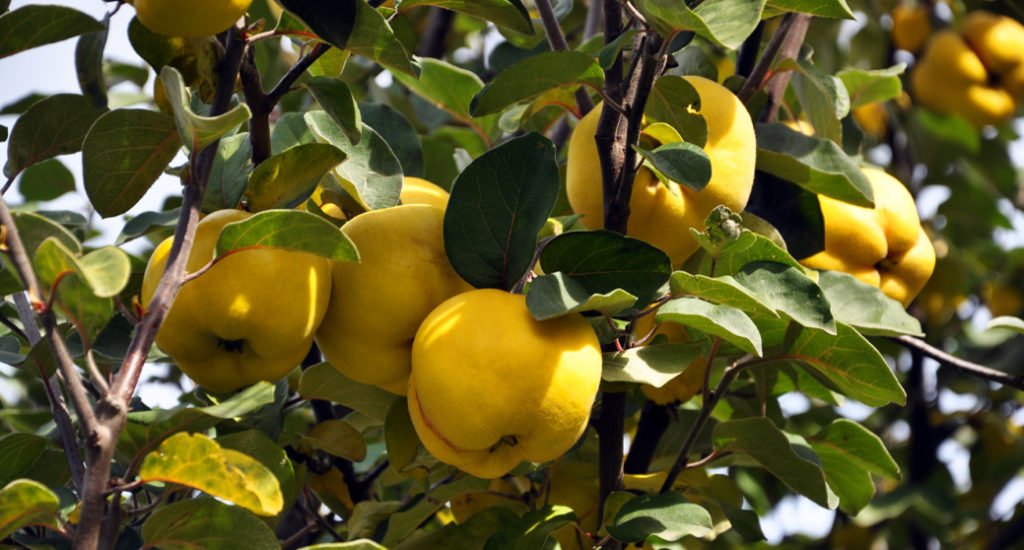
Quince rootstocks play a critical role in modern fruit tree cultivation, particularly for pears and quinces, by controlling tree size, improving precocity, and enhancing adaptability to various growing conditions. For gardeners, selecting the right rootstock is essential to ensure healthy, productive trees suited to the available space and soil type. This article explores the three most prominent quince rootstocks—Quince A, Quince C, and Quince Eline—offering a clear explanation of their characteristics, advantages, and practical applications. Whether you are establishing a small garden, an allotment, or a traditional orchard, understanding these rootstocks will guide you in choosing fruit trees for sale that meet your needs. A nursery specialist from ChrisBowers&Sons provides insight into selecting the appropriate rootstock for pear trees: “For most UK gardens, Quince C is ideal due to its compact size and early fruiting, but Quince A suits larger spaces or orchards where a semi-vigorous tree is preferred. Always check soil conditions before purchasing pear trees, as quince rootstocks perform poorly in chalky or alkaline soils.”
Quince Rootstocks and Their Importance
Fruit trees, such as pears and quinces, are typically propagated by grafting a desired fruiting variety, known as the scion, onto a rootstock. The rootstock forms the root system and lower trunk, influencing the tree’s ultimate size, growth rate, fruiting timeline, and resilience to environmental factors. Quince rootstocks, derived from the Cydonia oblonga species, are widely used in Europe for pears and quinces due to their ability to produce smaller, more manageable trees compared to seedling pear rootstocks. Unlike apple or plum rootstocks, which are often from the same genus as their scions, quince rootstocks are unique because they belong to a different but closely related species. This relationship allows successful grafting with most pear varieties, though compatibility varies, and some varieties require an interstock to prevent graft failure.
The primary advantage of quince rootstocks is their dwarfing or semi-dwarfing effect, which makes them suitable for modern gardening practices. Smaller trees are easier to manage, harvest, and fit into limited spaces, such as small gardens or containers. Additionally, quince rootstocks promote precocity, meaning trees bear fruit earlier—often within two to four years—compared to seedling rootstocks, which may take up to eight years. However, quince rootstocks have limitations, such as poor tolerance for chalky or alkaline soils and potential incompatibility with certain pear varieties, such as Williams or Bartlett. For British gardeners, selecting the right quince rootstock involves balancing these factors with the garden’s size, soil conditions, and desired tree form, whether a bush, cordon, espalier, or fan-trained tree.
Quince A: The Versatile Semi-Vigorous Choice
Quince A, also known as Malling Quince A, is the most widely used semi-vigorous rootstock for pear trees in the UK. Developed at the East Malling Research Station, it produces trees that reach a mature height of approximately 3 to 4.5 metres, with a similar spread, after five to ten years. This size makes Quince A suitable for medium to large gardens, allotments, or small orchards where space allows for a slightly larger tree. Its versatility supports various training forms, including bush trees, cordons, espaliers, and half-standards, making it a popular choice for gardeners aiming to create structured or decorative tree shapes.
One of Quince A’s key strengths is its productivity. Trees grafted onto this rootstock typically begin fruiting within three to four years, offering reliable yields of high-quality fruit. It performs best in fertile, well-drained soils and is moderately hardy, coping well with average to good soil conditions. However, it struggles in chalky or drought-prone soils, where its growth may be stunted, and it requires staking for the first five years to ensure stability. Quince A is compatible with most pear varieties, though some, like Williams, may need an interstock to avoid graft incompatibility. For quinces, Quince A produces trees up to 4 metres tall, or 2.5 metres when trained as a fan, making it a practical choice for those seeking fruit trees for sale that balance size and productivity.
Gardeners choosing Quince A benefit from its adaptability to different growing methods. For example, it supports fan-trained trees against walls, which is ideal for maximising space in smaller gardens while maintaining good fruit production. Its semi-vigorous nature ensures deeper rooting compared to dwarfing rootstocks, providing better resilience against drought and poor soil conditions, though it is less suited to heavy clay or waterlogged soils. When purchasing fruit trees for sale, Quince A is often recommended for those with enough space to accommodate a medium-sized tree and a desire for consistent, high-quality harvests.
Quince C: The Compact Option for Small Gardens
Quince C, another East Malling development, is the most dwarfing of the commonly used quince rootstocks, producing pear trees that reach 2.5 to 3 metres in height and spread. This compact size makes it the preferred choice for small gardens, patios, or container growing, where space is limited. Quince C is particularly well-suited for cordons, espaliers, and bush trees, allowing gardeners to create neat, manageable shapes that fit into modern garden designs. Its dwarfing effect also promotes precocity, with trees often bearing fruit within two to three years, making it an attractive option for those eager to enjoy early harvests.
The strengths of Quince C include its ease of management and suitability for high-density planting. Trees can be spaced as close as 3 metres apart, enabling gardeners to grow multiple varieties in a small area. This rootstock thrives in fertile, moisture-retentive soils but, like Quince A, is not tolerant of chalky or alkaline conditions. Permanent staking is recommended due to its shallow root system, which can make trees prone to toppling in windy conditions. Quince C is compatible with most pear varieties, though some, such as Bartlett, may require an interstock to ensure a strong graft union. For quince trees, Quince C produces similarly compact plants, ideal for container cultivation or small-scale ornamental planting.
For British gardeners, Quince C is a practical choice for urban or suburban settings where space constraints demand smaller trees. Its early fruiting and manageable size make it ideal for those new to fruit tree cultivation or seeking low-maintenance options. However, its shallow roots require regular watering and weed-free conditions to prevent competition, particularly in the early years. When browsing fruit trees for sale, Quince C is often highlighted for its ability to deliver quick results in confined spaces, making it a favourite for patio or courtyard gardens.
Quince Eline: The Modern Cold-Hardy Alternative
Quince Eline, developed in the Netherlands in the 1990s, is a newer quince rootstock gaining popularity for its improved cold-hardiness and adaptability. It produces trees similar in size to Quince C, typically reaching 2.5 to 3 metres in height, making it suitable for small gardens, containers, or trained forms like cordons and espaliers. Its key advantage is its enhanced tolerance for colder winters, which is particularly valuable in northern parts of the UK where temperatures can dip significantly. This makes Quince Eline a reliable choice for gardeners in regions with shorter growing seasons or harsher climates.
Quince Eline shares many characteristics with Quince C, including early fruiting—often within two to three years—and compatibility with most pear and quince varieties. It is noted for producing trees with a more upright growth habit, which can be advantageous for cordon or espalier training, as it reduces the need for extensive pruning to maintain shape. Additionally, Quince Eline may reduce russeting on certain pear varieties, such as Conference, which is a consideration for growers aiming for visually appealing fruit. Like other quince rootstocks, it performs poorly in chalky or alkaline soils and requires permanent staking due to its dwarfing nature.
For gardeners seeking fruit trees for sale that combine compact size with resilience to colder conditions, Quince Eline is an excellent option. Its modern breeding makes it a forward-thinking choice for those looking to future-proof their gardens against variable weather patterns. While less widely available than Quince A or C, its growing reputation among nursery specialists suggests it will become a staple in British horticulture, particularly for those in northern or exposed locations.
Practical Considerations for Choosing Quince Rootstocks
Selecting the right quince rootstock depends on several factors, including garden size, soil conditions, and the desired tree form. Quince A is ideal for those with medium to large gardens or small orchards, offering a balance of size, productivity, and versatility. Its semi-vigorous nature suits traditional orchard settings or fan-trained trees against walls, where space allows for a slightly larger canopy. Quince C, with its dwarfing properties, is best for small gardens, patios, or containers, providing early fruiting and easy maintenance. Quince Eline, while similar to Quince C in size, adds the benefit of cold-hardiness, making it suitable for northern gardeners or those in frost-prone areas.
Soil conditions are a critical consideration. All three quince rootstocks perform best in fertile, well-drained, slightly acidic to neutral soils. They are not suited to chalky or alkaline soils, where pear rootstocks like Pyrodwarf or seedling Pyrus communis may be better options. Gardeners should test their soil pH before planting and consider amending it if necessary. Staking is another important factor, with Quince C and Eline requiring permanent support due to their shallow roots, while Quince A needs staking for the first five years. Spacing also varies: Quince C and Eline trees can be planted 2.5 to 3 metres apart, while Quince A requires 3 to 4.5 metres to accommodate its larger spread.
Compatibility with scion varieties is another consideration. While most pear varieties graft successfully onto quince rootstocks, some, such as Williams or Bartlett, may require an interstock to prevent graft failure. Quince rootstocks are also used for quince and medlar trees, though compatibility issues may arise with certain varieties, and pear rootstocks may be preferred for medlars to avoid suckering. Gardeners should consult with nurseries to ensure the chosen scion and rootstock combination is suitable for their needs.
Planting and Care Tips for Quince Rootstock Trees
Proper planting and care are essential to maximise the benefits of quince rootstocks. Bare-root trees, available from late autumn to early spring, are the most common form for fruit trees for sale and should be planted promptly to prevent root drying. Dig a hole twice the width of the root system and deep enough to accommodate the roots without bending. Position the graft union 5 to 10 centimetres above the soil line to prevent the scion from rooting, which could negate the rootstock’s dwarfing effect. Backfill with a mix of native soil and compost, ensuring good contact with the roots, and water thoroughly.
Staking is crucial, particularly for Quince C and Eline, to prevent wind damage. Use a sturdy stake driven into the ground before planting, and secure the tree with a flexible tie that allows slight movement to encourage root development. Regular watering is essential during the first two years, especially for dwarfing rootstocks, which have shallower roots. Apply mulch around the base to retain moisture and suppress weeds, but keep it clear of the trunk to prevent rot. Pruning should focus on maintaining the desired shape—whether bush, cordon, or espalier—and removing dead or crowded branches to improve air circulation and light penetration.
Fertilise annually in early spring with a balanced fertiliser, such as a 10-10-10 formula, to support growth and fruiting. Monitor for pests and diseases, such as fireblight or woolly aphids, though quince rootstocks generally offer some resistance to these issues. Regular inspection and timely intervention, such as removing affected branches or applying organic pest controls, will keep trees healthy. For gardeners purchasing fruit trees for sale, following these care practices ensures the chosen quince rootstock delivers optimal results.
Conclusion
Quince rootstocks—Quince A, Quince C, and Quince Eline—offer British gardeners versatile options for growing pear and quince trees suited to various garden sizes and conditions. Quince A provides a semi-vigorous, productive choice for medium to large spaces, while Quince C delivers compact, early-fruiting trees ideal for small gardens or containers. Quince Eline, with its cold-hardiness, is a modern alternative for harsher climates. By understanding the characteristics of these rootstocks and matching them to your garden’s needs, you can select the right tree for successful cultivation. Whether you’re a novice or an experienced grower, these rootstocks enable you to enjoy the rewards of home-grown fruit with minimal effort.


